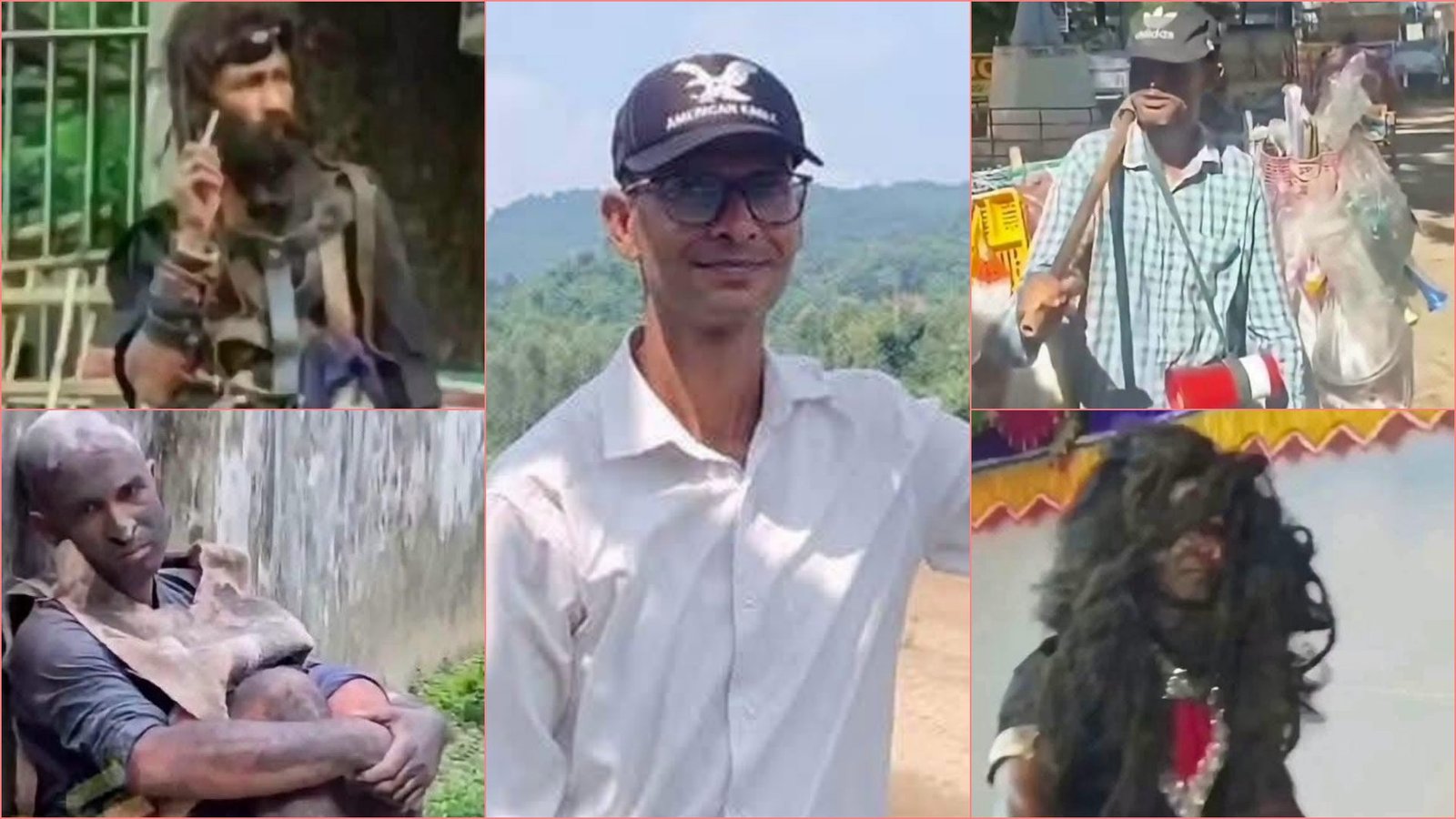
Investigative journalist Lutfuzzaman Alif Fakir, who reportedly went undercover in the guise of a cobbler, street vendor and even a person with mental health difficulties to gather information about criminal activities near the border, has been shot dead in Bangladesh’s Netrokona district. His killing has renewed concerns over the safety of journalists investigating drug trafficking, smuggling and other alleged criminal activities.
Alif was killed on Thursday night, October 15, in the Durgapur area of Netrokona. According to local accounts, two young men approached him while he was at a shop near his in-laws’ home in the Telanjia area and fired several shots at him. Hearing the gunfire, local residents rushed to the scene, prompting the attackers to flee.
Residents rescued Alif and took him to Durgapur Upazila Health Complex, where doctors declared him dead.
Alif worked as the Netrokona correspondent for Ruposhi Bangla, a private internet protocol television channel. He also operated a Facebook page called “Detective Article”, where he published material about alleged irregularities, criminal activities and other local issues.
According to colleagues and family members, Alif used disguises to get close to criminal networks and collect information for investigative reports. His reporting reportedly covered drug trafficking, smuggling and the illegal extraction of sand and stone.
Colleagues and relatives have alleged that he had previously faced attempts on his life because of his work. They have also raised questions about whether the threats against him were taken seriously enough to ensure his safety.
The journalist had survived an earlier attack on November 10 last year, when assailants allegedly hacked and injured him near the Teribazar ferry terminal on the Someshwari River in Durgapur. A colleague who attempted to intervene was reportedly threatened with a weapon and chased away.
Despite the earlier incident, Alif continued his reporting. One of the final posts published on his Facebook page, “Detective Article”, appeared just hours before his killing, according to the information provided by colleagues and local sources.
Following the murder, Alif’s wife, Anandita Sangma, filed a case with Durgapur Police Station against eight unidentified individuals.
Police arrested Sajibul Islam, also known as Apurbo, 23, during a late-night operation on Saturday, October 17. He was reportedly detained near the old cinema hall in the Madhya Bazar area of Durgapur town. He is the son of Shamsher Ali of the Ukilpara area.
Durgapur Police Station Officer-in-Charge Khandaker Shaker Ahmed said Apurbo was an associate of local alleged criminal Tajul Islam. The claim forms part of the information reported by police and should not be treated as a judicial finding of guilt.
On Monday, October 19, Senior Judicial Magistrate Nurul Amin Bhuiyan of the Durgapur court granted police one day of remand to question the suspect in connection with the murder. Police had sought seven days of remand.
Sub-Inspector Asadul Islam, the investigation officer in the case, confirmed the remand order. Police said the investigation was continuing to establish the motive behind the killing and identify everyone involved.
Alif’s murder has raised renewed concerns about the risks faced by journalists who investigate organised crime and alleged corruption in local communities. His previous attack, followed by his death despite continuing threats reported by those close to him, has intensified calls for a thorough investigation and stronger protection for journalists facing credible threats.
Authorities now face pressure to establish whether the killing was linked to Alif’s investigative reporting, identify the alleged perpetrators and bring those responsible to justice. Until the investigation establishes a motive, any direct connection between his journalism and the murder remains an allegation rather than a confirmed finding.