
Friday Times | World News
Israel’s relationship with European countries is facing growing pressure as disagreements over the Gaza war, settlement expansion and Palestinian statehood increasingly shape diplomatic ties. With Israelis due to vote in a general election on October 27, the prospect of a political change has raised questions about whether the country can rebuild confidence among its European partners.
The challenge extends beyond disagreements between political leaders. Public opinion in Europe has become increasingly critical of Israel, while governments face pressure to translate public concern into concrete policy decisions.
Public Pressure Reshapes Europe’s Approach
The deterioration in relations has become visible across several areas of cooperation, including diplomacy, trade and cultural engagement.
European governments have faced growing demands to reconsider their dealings with Israel over the humanitarian consequences of the Gaza war and continued violence in the occupied West Bank. Measures targeting settlement-related trade and discussions about the future of EU-Israel cooperation have added to the pressure.
Public opinion data also point to a significant shift. A Pew Research Center survey published in June 2026 found that unfavorable views of Israel had become widespread across the countries surveyed. In Germany, 73 percent of respondents held an unfavorable view of Israel, compared with 75 percent in Italy and 78 percent in Spain and Sweden.
These figures suggest that the diplomatic debate is unfolding against a broader change in public sentiment. However, European governments do not share a single position on how to respond, and their policies towards Israel continue to differ.
Election Could Change the Tone, Not Necessarily the Policy
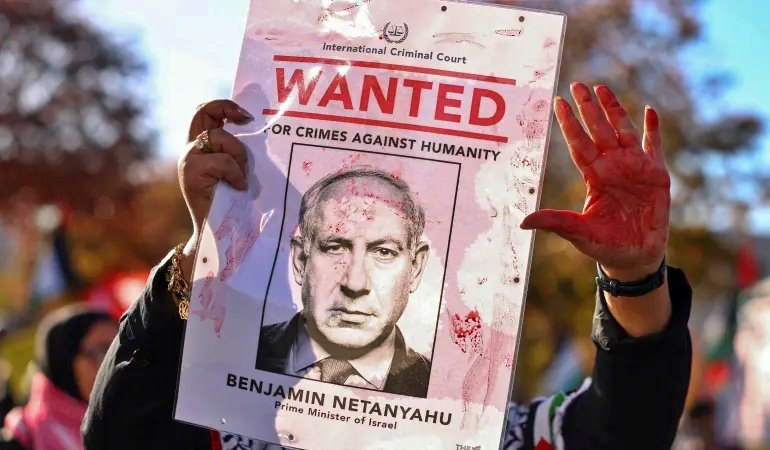
The October 27 election presents an important test for Prime Minister Benjamin Netanyahu and his political opponents. Yet the outcome alone may not determine the future of Israel’s relationship with Europe.
A government less dependent on far-right parties could have greater room to adjust its diplomatic approach or reconsider some settlement policies. Such a shift might create opportunities for renewed engagement with European capitals.
But a change in leadership would not automatically resolve the underlying disagreements. Palestinian statehood, the future of the occupied territories and the humanitarian situation in Gaza remain major points of contention.
Even opposition politicians who favour a different governing style may not support the policy changes European governments are seeking. The next administration would therefore face pressure to demonstrate its intentions through decisions rather than rhetoric.
Security Priorities Dominate Israel’s Political Debate
Israel’s domestic political discussion continues to be heavily influenced by national security, the confrontation with Iran and Hezbollah, the threat posed by Hamas, and the economic pressures facing households.
This emphasis creates a potential divide between domestic electoral priorities and the concerns raised by European partners. While European leaders increasingly focus on the humanitarian and diplomatic costs of the conflict, Israeli political debate remains strongly shaped by security considerations.
The result could limit the scope for a rapid improvement in relations, even if the election produces a new government.
Can Trust Be Rebuilt?
Restoring confidence will likely require more than diplomatic outreach. European governments may look for measurable changes involving humanitarian access to Gaza, settlement activity, the protection of Palestinian civilians and a credible political path towards resolving the Israeli-Palestinian conflict.
At the same time, Israel retains important economic, technological and security links with Europe. These longstanding connections provide a basis for continued engagement, even as political disagreements deepen.
The election could open a new chapter in relations, but its significance will ultimately depend on the policies adopted by the incoming government.
For now, Israel and Europe face a difficult question: whether their longstanding partnership can adapt to mounting disagreements over the future of the Palestinians and the wider Middle East.
Friday Times Analysis: The election may change the political leadership in Jerusalem, but rebuilding trust with Europe will require decisions that address the substance of the dispute, not merely a change in tone.
Sources: Al Jazeera, Pew Research Center and other published international reporting.